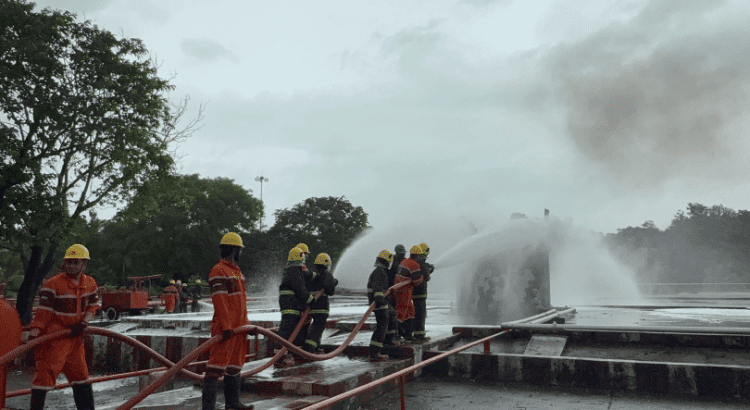
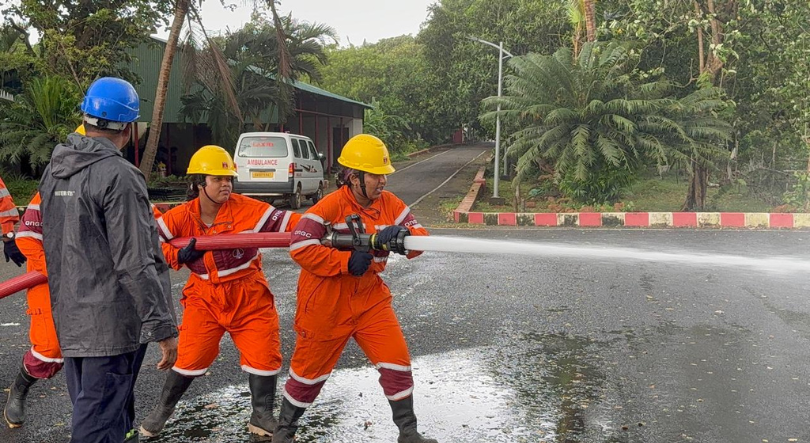
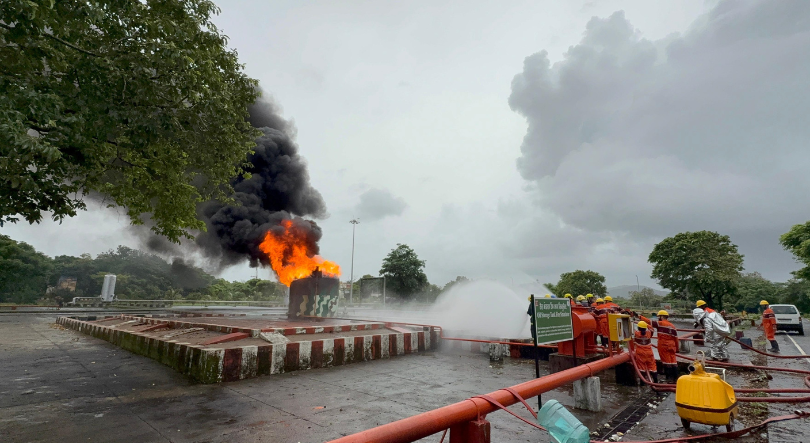
In high-risk industrial environments, preparedness is not a choice, it’s a necessity. Fire safety training plays a crucial role in ensuring rapid, coordinated responses when every second counts. In collaboration with the Advanced Training Institute (ATI), ONGC, Cairn organized a comprehensive Advanced Fire Fighting Training at its RJ South site from June 30 to July 4, 2025. Designed specifically for the high-risk environments of the oil and gas industry, the training aimed to build a team of skilled emergency responders capable of tackling complex fire scenarios involving flammable hydrocarbons, pressurized systems and drilling rigs. With a blend of theoretical sessions, realistic simulations and hands-on exercises, the training focused on enhancing tactical decision-making, effective use of fire suppression equipment and teamwork under pressure.
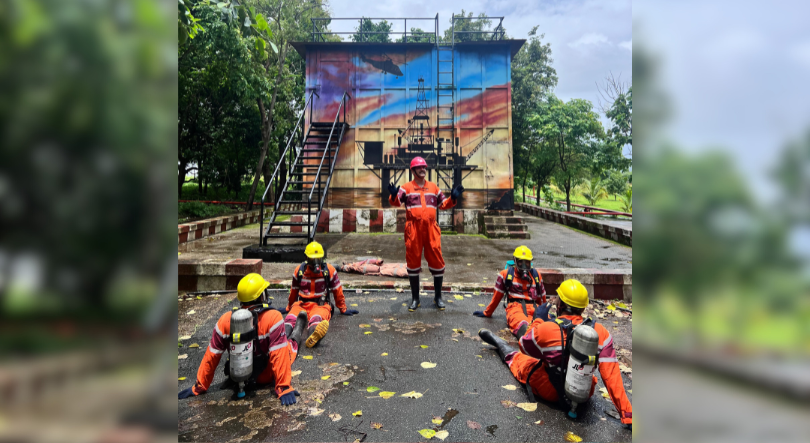
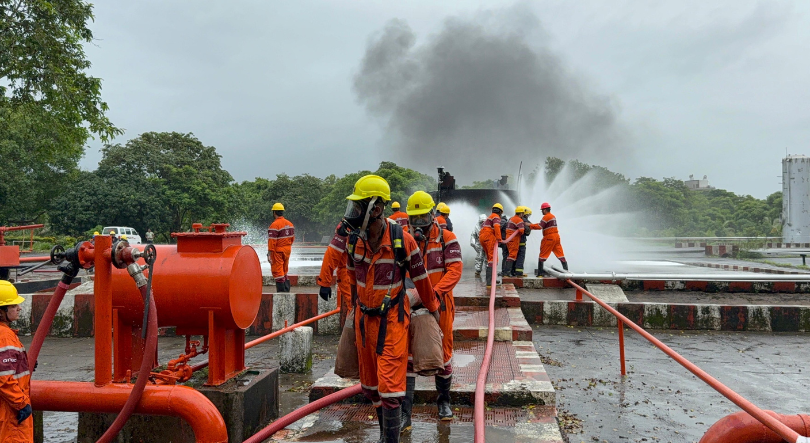
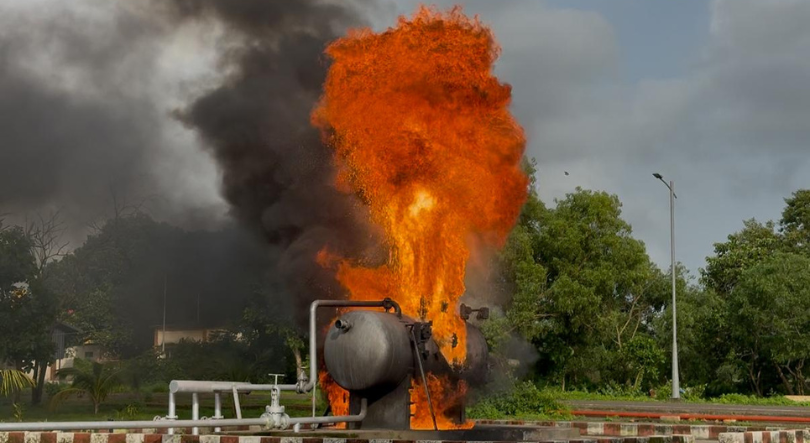
The one-week training followed a well-structured curriculum that covered critical emergency response modules. These included firefighting using extinguishers at pipelines, wellheads and electrical panels, hose and nozzle operation with dry and wet drills, and emergency communication protocols along with a live demonstration of BLEVE (Boiling Liquid Expanding Vapor Explosion). Participants were also trained in the donning and doffing of Self-Contained Breathing Apparatus (SCBA), search and rescue missions in smoke-filled environments, handling fires in road tanker trucks, and tackling large-scale storage tank fires using foam systems. Scenarios such as rig fires, fires in dykes/bund areas, and CPR practice using mannequins ensured the training addressed a wide range of high-risk situations. In addition, accident causation frameworks like the Why Matrix and Swiss Cheese Model were introduced to instil a deeper understanding of incident prevention.
The immersive format of the training kept participants highly engaged, with active participation and visible enthusiasm throughout the sessions. The hands-on approach and relevance to real-world challenges ensured that key concepts were internalized effectively. Many attendees shared that the training surpassed their expectations, praising the trainers’ expertise, the clarity of instruction, and the opportunity to apply learnings in simulated environments. Group activities and live demonstrations created a collaborative atmosphere, promoting team coordination and trust, critical elements in any emergency response.

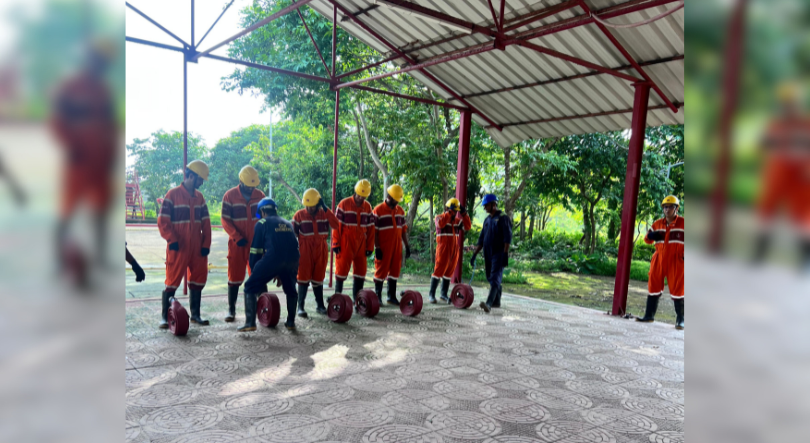



The training went beyond technical upskilling, fostering a renewed sense of safety consciousness among the workforce. Participants left with enhanced confidence in their ability to respond to emergencies and a heightened awareness of the importance of preparedness in high-stakes situations. The program also strengthened camaraderie among team members and reinforced Cairn’s culture of safety and responsibility. Initiatives like this demonstrate Cairn’s commitment to operational safety, environmental protection and continuous improvement in emergency response standards across its exploration and production activities.
Contributed by Wellverse Team